
woke

Concerning Pope Leo XIV, religious freedom and the legacy of George Orwell

Concerning Pope Leo XIV, religious freedom and the legacy of George Orwell

After a year in which 8 million Christians faced persecution, activists with the Netherlands-based Open Door network released a report claiming that 3,490 Christians were killed in Nigeria, out of 4,849 worldwide.

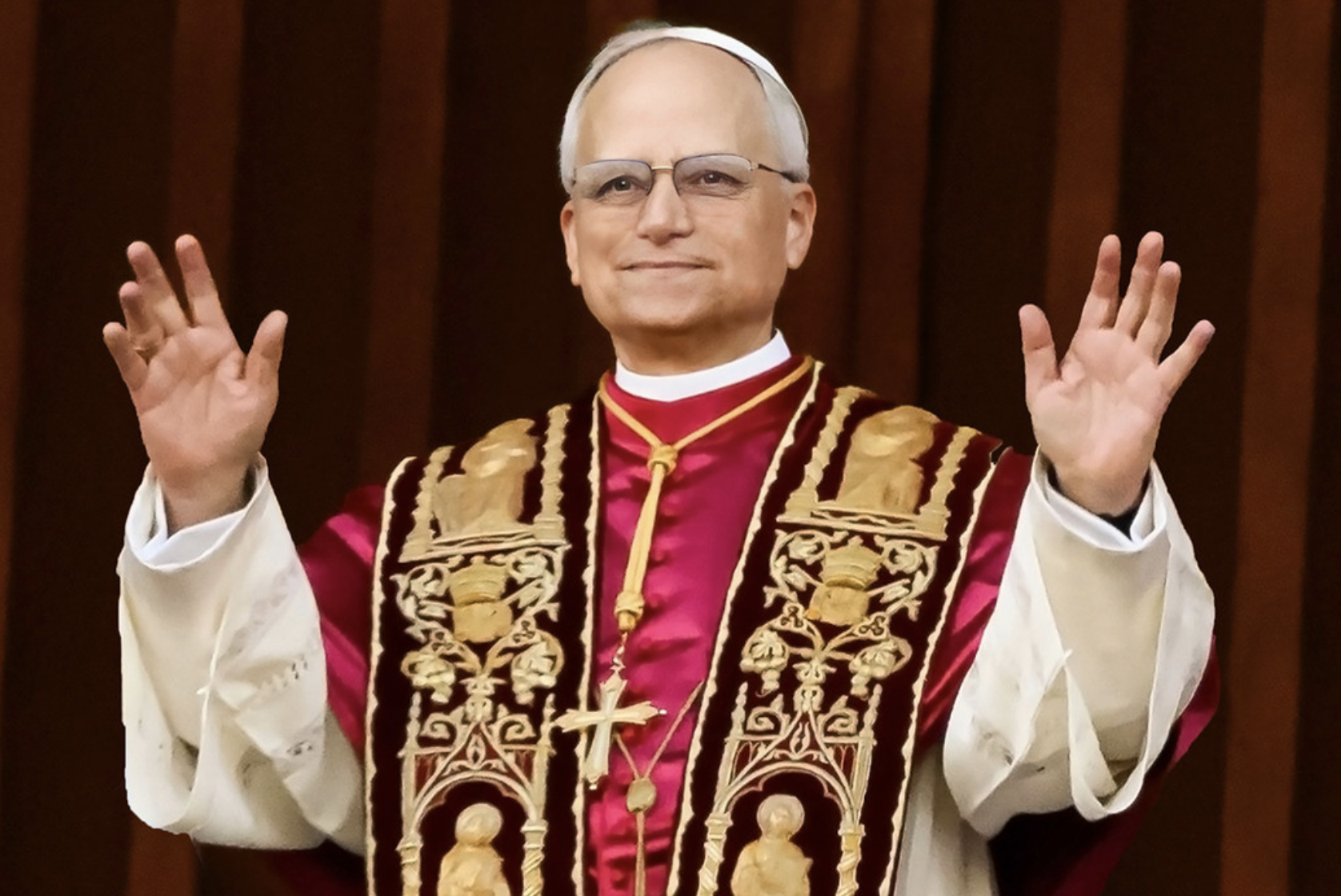
While the Holy See has remained cautious on this issue, Pope Leo XIV made his concerns clear when facing the Vatican diplomatic corps.

"It cannot be overlooked that the persecution of Christians remains one of the most widespread human rights crises today," he said, in a January 9 address. "This phenomenon impinges on approximately one in seven Christians globally. … Sadly, all of this demonstrates that religious freedom is considered in many contexts more as a 'privilege' or concession than a fundamental human right.

"Here, I would especially call to mind the many victims of violence, including religiously motivated violence in Bangladesh, in the Sahel region and in Nigeria, as well as those of the serious terrorist attack last June on the parish of Saint Elias in Damascus."

In a wide-ranging address that avoided criticizing specific governments, Pope Leo linked Catholic moral teachings to the rights of migrants, prisoners, noncombatants, the poor and the unborn, while also opposing what he called "a diplomacy based on force." He bluntly warned: "War is back in vogue and a zeal for war is spreading."

The pope also addressed forms of discrimination and even persecution based on efforts to undercut core human rights, such as religious liberty and freedom of speech. This is even happening, he said, in countries where Christians "are in the majority, such as in Europe or the Americas," where believers are "sometimes restricted in their ability to proclaim the truths of the Gospel for political or ideological reasons."
Stalking all of those fake C.S. Lewis quotes online (and the new AI pope)

Stalking all of those fake C.S. Lewis quotes online (and the new AI pope)

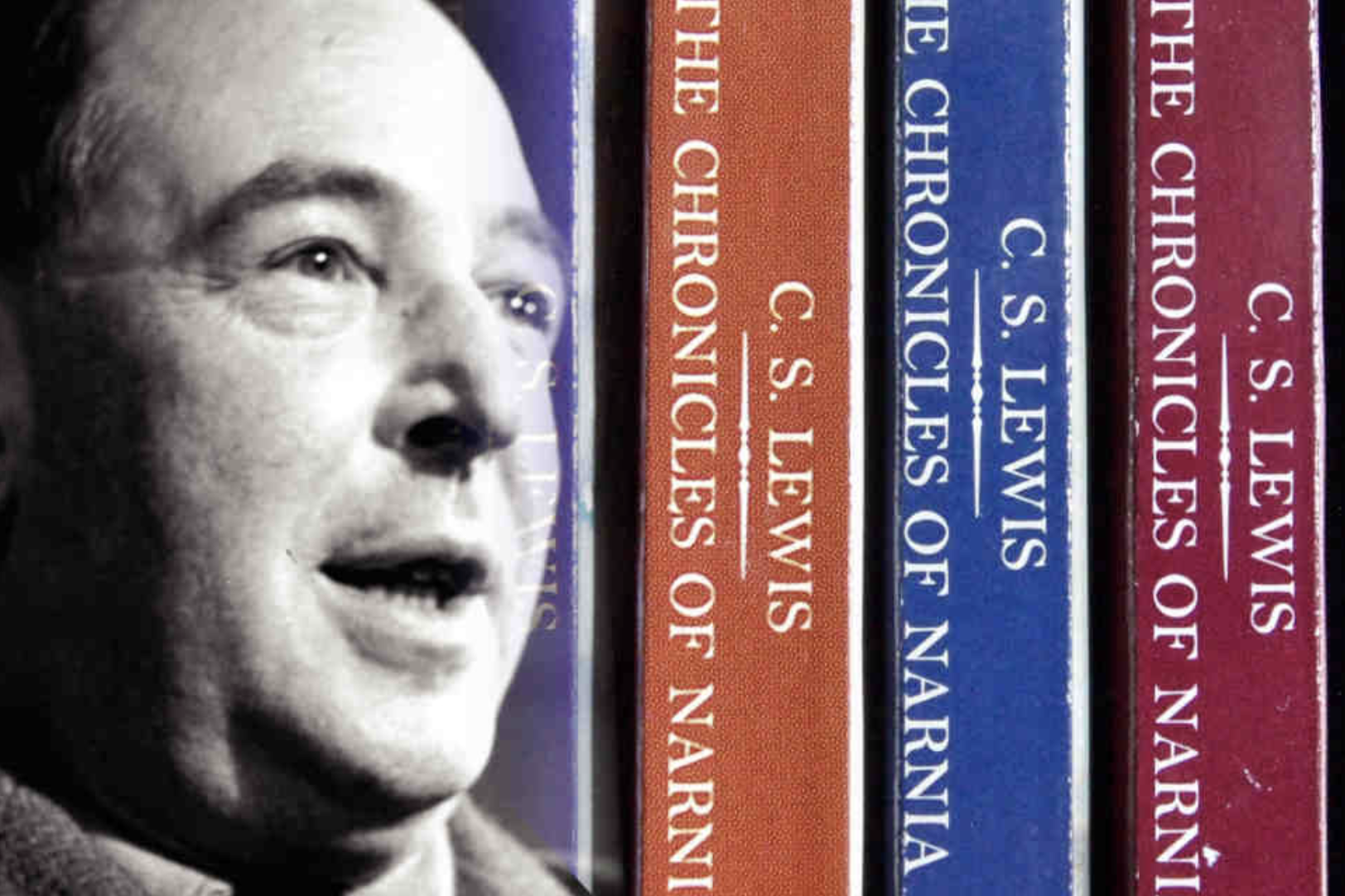
Late in the movie "Shadowlands," the C.S. Lewis character describes the role that books can play in real life.

The famous Oxford don and author, played by Anthony Hopkins, notes: "We read books to know that we are not alone."

Lewis never wrote those memorable words -- they came from screenwriter William Nicholson, noted William O'Flaherty, author of "The Misquotable C.S. Lewis: What He Didn't Say, What He Actually Said, and Why It Matters." Nevertheless, that quote is frequently attributed to Lewis on websites and in social media.

Further complicating matters, "the movie character Lewis -- when he does say it, while the real Lewis never said it -- is quoting a student who is saying that his father said it," noted O'Flaherty, via Zoom. Many who spread this quote appear to want people to "think the real Lewis went around repeating things from others" while taking credit for them.

It doesn't help that many readers who circulate fake Lewis quotes do so because they admire the author's Christian faith expressed in 30-plus books -- fiction and nonfiction -- which sell millions of copies a year, long after his death in 1963.

Lewis is not an isolated case. In his book, O'Flaherty noted that Albert Einstein never said, "God does not play dice," Mark Twain didn't proclaim "There are three kinds of lies: lies, damn lies, and statistics" and Ernest Hemingway "never claimed he could write a short story with just six words." Conan Doyle never had Sherlock Holmes say "Elementary, my dear Watson."

The basic problem: "Too many people have a bumper sticker attention span. And typically, they love quotes because quotes give them the 'sound bite' that confirms something they ALREADY believe."

In the past, some readers simply "misremembered" quotes they heard in lectures, sermons and speeches and passed them on. Misquotes have even appeared in books or major periodicals. With some authors, movies and television based on their writings have added to the confusion. Finally, issues with misquotes kicked into high gear with the Internet and powerful social-media platforms such as Facebook, Instagram and X. How will AI affect all of this?

Tyler Perry preaches tolerance to 'woke' congregation assembled for 2021 Oscar rites

Tyler Perry preaches tolerance to 'woke' congregation assembled for 2021 Oscar rites

It was just like one of those inspiring Tyler Perry movie scenes when a believer does the right thing and helps a struggler have a come-to-Jesus epiphany.

Perry was walking to his car after some Los Angeles production work when he was approached by homeless woman.

"I wish I had time to talk about judgment," said Tyler, after receiving the Jean Hersholt Humanitarian Award during the 93rd Academy Awards. "Anyway, I reach in my pocket and I'm about to give her the money and she says: 'Excuse me sir, do you have any shoes?'

"It stopped me cold because I remember being homeless and having one pair of shoes," he added. "So, I took her into the studio. … We're standing there [in] wardrobe and we find her these shoes and I help her put them on. I'm waiting for her to look up and all this time she's looking down. She finally looks up and she's got tears in her eyes. She says: 'Thank you Jesus. My feet are off the ground.' "

Perry, of course, is a movie mogul who has built a 330-acre studio facility in Atlanta used for all kinds of work, including parts of the Marvel epic "The Black Panther." He has created many profitable films of this own, such as "Diary of a Mad Black Woman," "The Family that Preys" and "Madea's Family Reunion," part of a series in which Perry, in drag, plays a pistol-packing, Bible-quoting matriarch at the heart of Black-family melodramas.

It was logical for Perry to receive the Jean Hersholt award, in part because of his rags-to-riches life and his efforts to help churches and nonprofits help the needy. At the same time, it's unlikely that he could ever win a regular Oscar statue since critics and Hollywood elites have long mocked his movies as soapy parables crafted to appeal to ordinary church folks -- Black and White. It isn't unusual, in the final act of Perry movies, for weeping sinners to pull their lives together during Gospel-music altar calls.

Thus, Perry's sermonette was an unusual twist in an Oscar rite packed with political messages and wins by films that few American moviegoers saw or even knew existed.

Will Democrats veer into a religious freedom minefield on churches and taxes?

Will Democrats veer into a religious freedom minefield on churches and taxes?

When preparing the 2016 Democratic Party platform, the drafting committee promised: "We will do everything we can to protect religious minorities and the fundamental right of freedom to worship and believe.”

But in the final text, Democrats substituted a broader term -- "freedom of religion." After all, critics of Hillary Rodham Clinton were attacking her occasional references to "freedom of worship," as opposed to the First Amendment's defense of the "free exercise" of religion.

"Freedom of worship" suggested that religious doctrines and traditions were acceptable, as long as believers remained inside their sanctuaries. "Freedom of religion" language would have implications for evangelists, educators, artists, doctors, soldiers, business leaders, social activists, counselors and other citizens in public life.

Thus, gadfly candidate Beto O'Rourke stepped into a minefield when he answered this question during a CNN "town hall" on LGBTQ issues: "Do you think religious institutions -- like colleges, churches, charities -- should lose their tax-exempt status if they oppose same-sex marriage?"

O'Rourke drew cheers and applause with his quick response: "Yes. There can be no reward, no benefit, no tax break, for anyone or any institution, any organization in America, that denies the full human rights and the full civil rights of every single one of us." As president, he added, he would "stop those who are infringing upon the human rights of our fellow Americans."

This stance would draw a different response from many other Democrats.

"Journalists should ask O'Rourke and every other Democratic candidate how this policy position would affect conservative black churches, mosques and other Islamic organizations, and orthodox Jewish communities, among others," argued law professor John Inazu of Washington University in St. Louis, writing for The Atlantic. "It is difficult to understand how Democratic candidates can be 'for' these communities -- advocating tolerance along the way -- if they are actively lobbying to put them out of business."

Meanwhile, this O'Rourke statement will remind religious leaders of the U.S. Supreme Court's Obergefell v. Hodges decision affirming same-sex marriage.