
box office

Concerning faith-based rom-coms, horror, fantasy and other niche-movie trends

Concerning faith-based rom-coms, horror, fantasy and other niche-movie trends

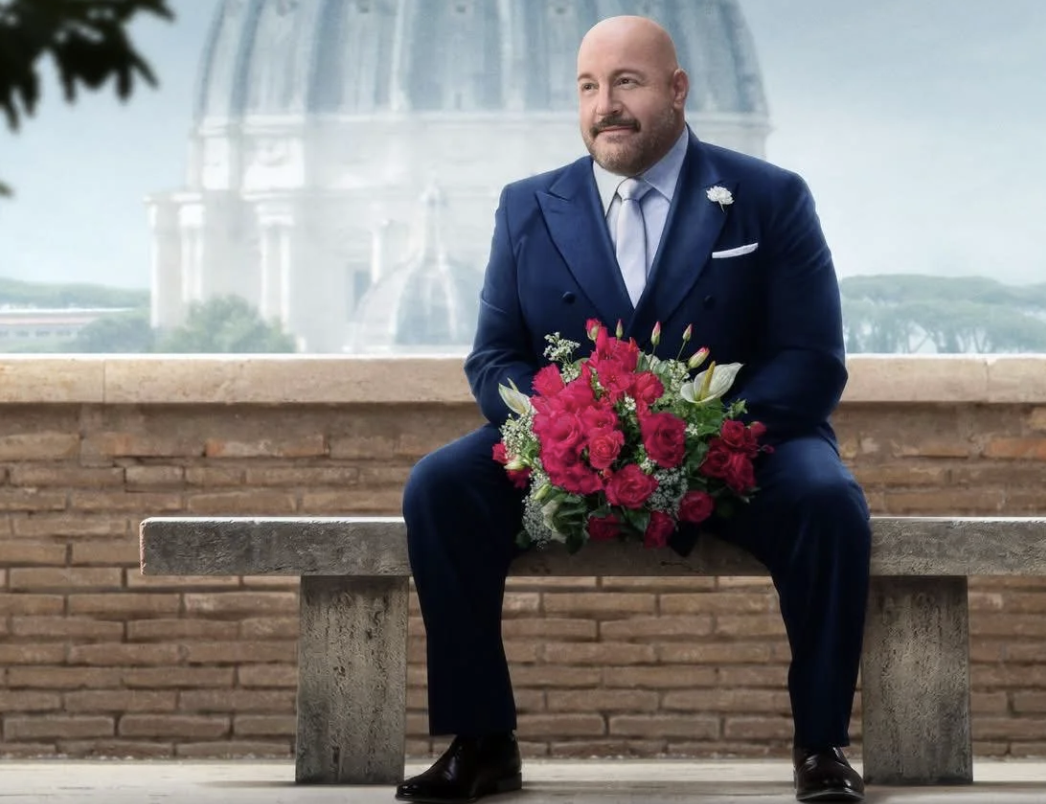
he romantic comedy "Solo Mio" offered a crashed wedding, epic views of Rome, funny sidekicks, an obligatory "meet cute," the lovely vineyards of Tuscany, a final plot twist and the dawn of new love.

It also included priests performing weddings, glimpses of the Vatican and old-school Italians making the sign of the cross with prayers at a family meal. The star was comedian Kevin James, an outspoken Catholic, and there was a prime role for Jonathan Roumie, another outspoken Catholic, who is best known for playing Jesus in "The Chosen" series. And this independent film was released by Angel Studios.

In today's cinematic marketplace, was this a "faith-based" film or merely a flashback to rom-coms from the 1950s?

"I'm all for this. … I never thought I would see, in a romantic comedy, Paul Blart, Jesus and Alexander from 'Sons of Anarchy' on a journey together in Italy," said YouTube critic Joseph Curtis. He was connecting James' hit "Paul Blart: Mall Cop," Roumie's iconic role and the star turn by Kim Coates in a Netflix series about motorcycle gangs.

As for the rom-com label, Curtis added: "It's a formula that has been done before -- to death -- but sometimes it just works."

For those charting the rise of faith-friendly flicks, the important fact about this small film, with a small cast, a small budget and a short release in theaters was that it made money, before heading into Angel's streaming-video vault.

"Making $26 million, with a $4 million budget, means this movie was a gargantuan success, relatively speaking," said Joseph Holmes, a New York City-based critics who writes for Religion Unplugged, World Magazine and other publications. "These days, the people making Marvel and Star Wars movies would be happy with that kind of return on their investments."

'The Exorcist' turns 50 -- Visions of hell, in defense of beliefs about heaven

'The Exorcist' turns 50 -- Visions of hell, in defense of beliefs about heaven

William Peter Blatty was pounding out the first pages of "The Exorcist" when his telephone rang -- bringing the news that his mother had died.

The screenwriter was already digging into dark material that was completely different from the whimsical work -- such as the classic "A Shot in the Dark" Pink Panther script -- that established his Hollywood career. He was writing a fictional take on an exorcism case he heard discussed during his Georgetown University studies.

But the death of Blatty's Lebanese-born, fervently Catholic mother changed everything. She spoke very little English and called her son "Il Waheed," Arabic for "the one" or "the only." He struggled with grief for five years and his supernatural thriller turned into something much more ambitious.

"I wanted to write about good and evil and the unseen world all around us. I wanted to make a statement that the grave is not the end, that there is more to life than death," said Blatty, meeting in a diner near the Georgetown neighborhood described in "The Exorcist."

It was 2013, four years before Blatty's death, and our conversation focused on the 40th anniversary of the film that brought him an Academy Award, for adopting his novel for the big screen. Now, on the 50th anniversary of "The Exorcist," critics are still debating why it had such as seismic impact.

Blatty insisted, many times, that he wasn't trying to shock people, even though the R-rated classic sent many rushing for theater exits, sickened by its stomach-wrenching visions. His goal was "apostolic, from the beginning," an attempt to inspire faith and defend core Christian doctrines, he said.

The equation was simple: "If demons are real, why not angels? If angels are real, why not souls? And if souls are real, what about your own soul? … And, by the way, if incarnate evil is real, what are you going to do about that?"

"The Exorcist" set box-office records for horror films, with numbers that soared with subsequent re-releases. At the same time, Blatty was deeply satisfied to hear priests report that, in the weeks after the movie opened, penitents lined up for confession.