
With its blend of family, patriotism, food, shopping and faith, Thanksgiving is a strange bird that has failed to inspire classic movies -- with one exception.
"Planes, Trains and Automobiles" is the "only movie our family watches as a custom, most every Thanksgiving," wrote the late Roger Ebert, a Pulitzer Prize-level film critic. "Steve Martin plays Neal, a Chicago advertising man, sleek in impeccable blues and grays, smooth-shaven, recently barbered, reeking of self-confidence, prosperity and anal-retentiveness. John Candy plays Del, a traveling salesman from Chicago who sells shower curtain rings."
Del Griffith is huge, hapless, generous, irritating, vulnerable and relentlessly helpful. "Del wants only to please," noted Ebert, while Neal Page "wants only to be left alone."
While John Hughes didn't weave religious content into this 1987 film -- unlike his "Home Alone" script -- viewers familiar with the writings of Fyodor Dostoevsky and William Shakespeare will spot a sacred archetype in this tale about two men on a slapstick, but endearing, journey home.
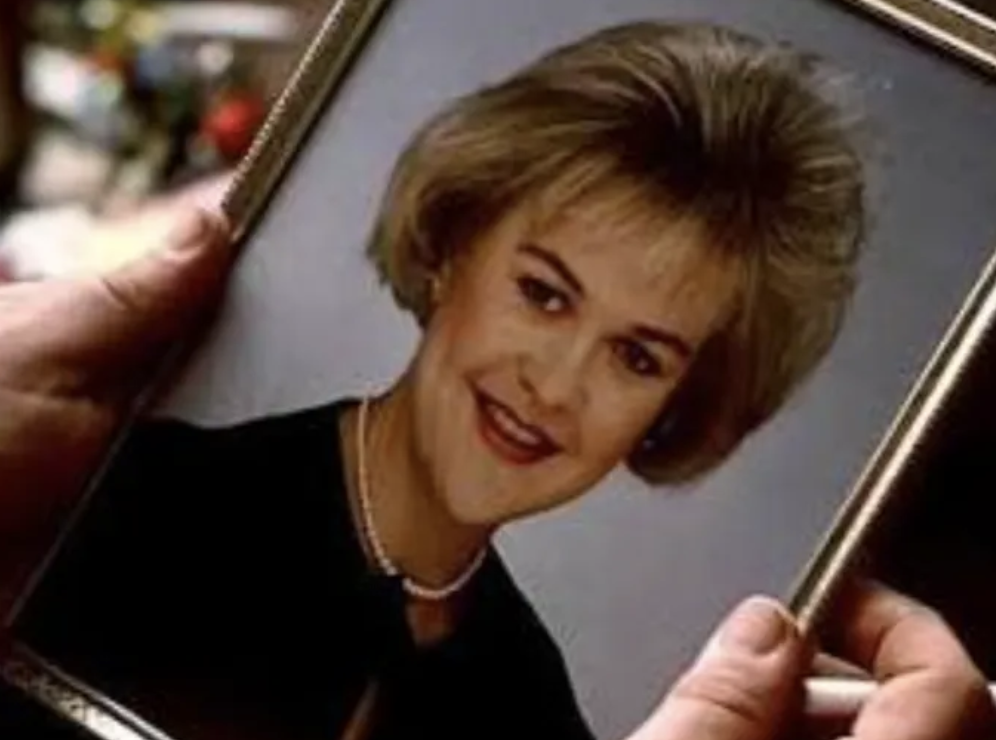
"Del is totally a holy fool. … His tender heart is the heart of the movie," noted actress and writer Susan Isaacs, who was cast as Del's wife Marie -- the face in the portrait he carries during his sales trips.
"God uses the foolish to shame the proud. … Del doesn't change. But Del helps redeem Neal. He gets Neal home," she added, between teaching screenwriting classes at Chapman University in Southern California. "Del isn't trying to teach Neal a lesson. But that's what a holy fool does -- he brings change at the level of someone's heart, slowly but surely."
In church history, and great literature, "holy fools" embrace foolishness, poverty and even feign madness while challenging the sins and hypocrisies of the powerful. They embody St. Paul's words in scripture: "God chose what is foolish in the world to shame the wise."
The men in this unlikely buddy movie endure every imaginable travel calamity when a blizzard prevents their plane from reaching Chicago, making them share sketchy motel rooms, a junky taxi, rental-car disasters and jammed buses before a final train.
At one point, Martin's character -- after shouting "You're no saint!" -- explodes into a tirade about his companion's common, blue-collar personality, including his salesman's shtick, stinking feet, boring anecdotes and everything else.