
Ireland

Looking back at "Old Christmas" traditions in the mountains of southern Appalachia

Looking back at "Old Christmas" traditions in the mountains of southern Appalachia

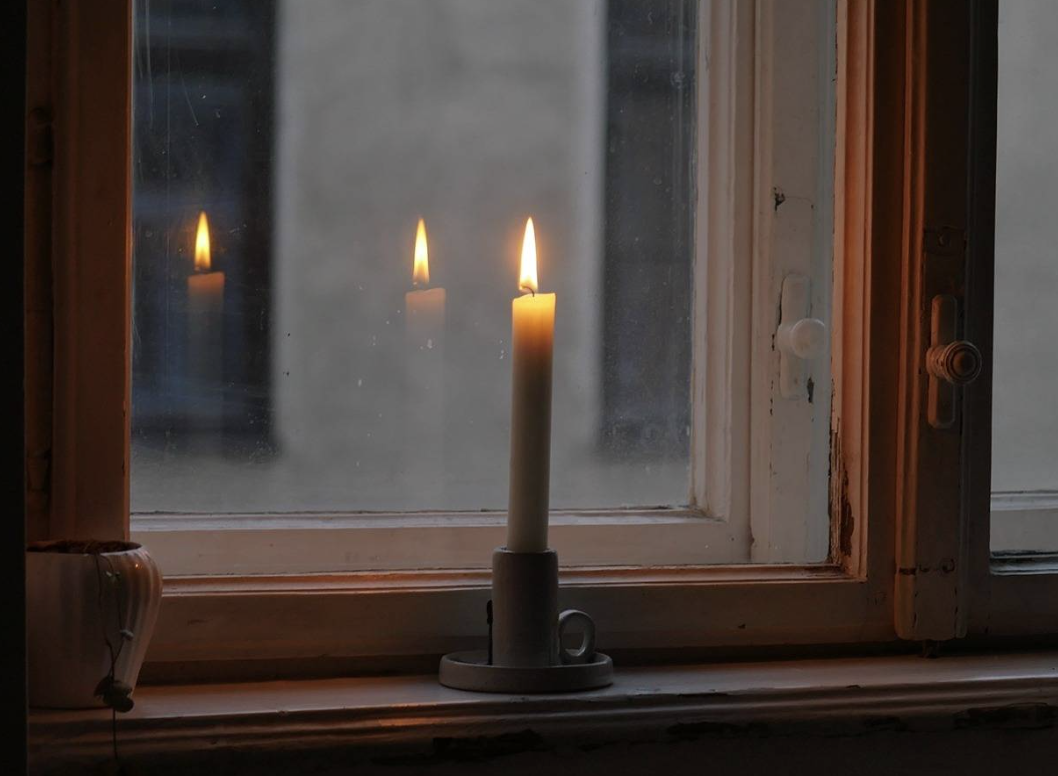
Candles in farmhouse windows can shine a long way on dark nights in the Blue Ridge Mountains.

That light was especially symbolic at Christmas, when settlers in frontier Appalachia -- many of them Scot-Irish -- faced hard journeys on rough roads and trails through terrain crisscrossed with mountain ridges and valleys cut by rivers and creeks.

"There was a real sense of community building that occurred during the Christmas celebration across Appalachia," said historian Ted Olson of the Appalachian Studies department at East Tennessee State University in Johnson City. "Before automobiles, travel would be on foot or horseback or in wagons. It was difficult to travel through winter conditions, with snow and ice and whatnot to visit kith and kin. …

"The candles would invite people in, suggesting that the flame of spiritual renewal is alive in this house. They said, 'Please join us! … You are welcome. We are all fellow Christians celebrating these sacred days together.'"

On the High Plains and in many frontier regions, farmers often lived great distances from one another. The distances were shorter in the "Southern Highlands" of Virginia, Kentucky, Tennessee and North Carolina, but the terrain was treacherous. It might take two or three days to visit extended family or a nearby town with stores, a doctor and other necessities.

Many frontier churches welcomed occasional visits by circuit-riding preachers, and an Irish Catholic family would almost certainly be living far from a priest. Travelers on mountain roads, especially in winter storms, needed safe shelter. During the 12 days the Appalachian people called "Old Christmas," having relatives, neighbors and travelers at the door singing carols captured the essence of the season, noted Olson, author of the book "Blue Ridge Folklife," and a poet, musician and photographer.

Visitors could shout "Christmas gift," since the hosts would be prepared to offer them small gifts to show they were welcome, perhaps an orange, some candy, a decorated pinecone or something else gathered from nature.

2022 update: Catholic doctrines on sin, hell, repentance, grace and heaven have changed?

2022 update: Catholic doctrines on sin, hell, repentance, grace and heaven have changed?

For centuries, Irish Catholics heard priests deliver sermons about sin, hell, repentance, grace and heaven.

Times have changed and an 80-year-old priest in County Kerry didn't get the memo.

"How will people know that God wants to forgive them if we don't tell them?", said Father Sean Sheehy, preaching as a substitute priest at St. Mary's Church, Listowel. "How will people who are lost, be found, if we -- as God's people -- don't call them and say, 'Look, God loves you. He has come to call sinners. But he wants you to have life, and to have it to the full'? …That's what he wants. He wants you to live life to the fullest."

The problem was that Sheehy's October 30 sermon stressed ancient Catholic doctrines on behaviors many modern Catholics refuse to call "sins."

This caused a media storm, including this Irish Times headline: "Fr Sheen Sheehy's Listowel sermon was an uncomfortable reminder of who we really were." Also, Kerry Bishop Ray Browne apologized, after 20-plus parishioners walked out of the rite, and barred Sheehy from saying Mass until the parish priest returns to the altar.

During his sermon, Sheehy fiercely condemned core doctrines of the Sexual Revolution, while defending Catholic teachings on marriage and sex.

"What is so sad today is you rarely hear about sin but it's rampant. It's rampant," he said. "We see it, for example, in the legislation of our governments. We see it in the promotion of abortion. We see it in the example of this lunatic approach of transgenderism. We see it, for example, in the promotion of sex between two men and two women.

"That is sinful, that is mortal sin and people don't seem to realize it. … And we need to listen to God about it -- because if we don't, then there is no hope for those people."