

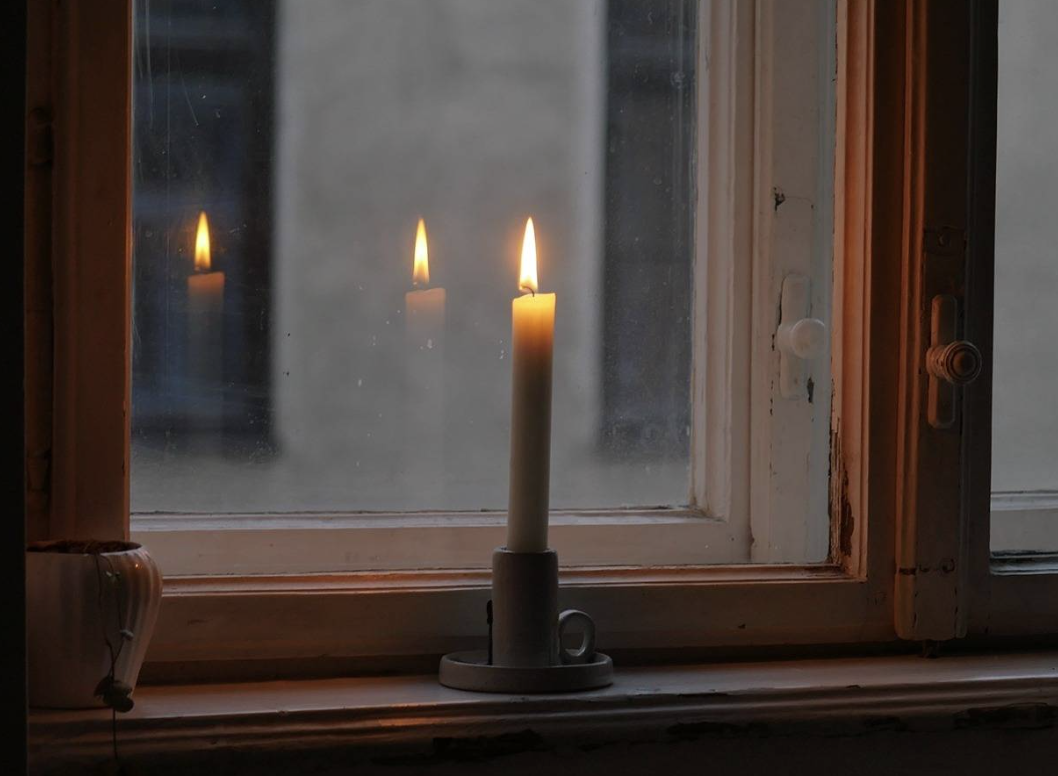
Candles in farmhouse windows can shine a long way on dark nights in the Blue Ridge Mountains.
That light was especially symbolic at Christmas, when settlers in frontier Appalachia -- many of them Scot-Irish -- faced hard journeys on rough roads and trails through terrain crisscrossed with mountain ridges and valleys cut by rivers and creeks.
"There was a real sense of community building that occurred during the Christmas celebration across Appalachia," said historian Ted Olson of the Appalachian Studies department at East Tennessee State University in Johnson City. "Before automobiles, travel would be on foot or horseback or in wagons. It was difficult to travel through winter conditions, with snow and ice and whatnot to visit kith and kin. …
"The candles would invite people in, suggesting that the flame of spiritual renewal is alive in this house. They said, 'Please join us! … You are welcome. We are all fellow Christians celebrating these sacred days together.'"
On the High Plains and in many frontier regions, farmers often lived great distances from one another. The distances were shorter in the "Southern Highlands" of Virginia, Kentucky, Tennessee and North Carolina, but the terrain was treacherous. It might take two or three days to visit extended family or a nearby town with stores, a doctor and other necessities.
Many frontier churches welcomed occasional visits by circuit-riding preachers, and an Irish Catholic family would almost certainly be living far from a priest. Travelers on mountain roads, especially in winter storms, needed safe shelter. During the 12 days the Appalachian people called "Old Christmas," having relatives, neighbors and travelers at the door singing carols captured the essence of the season, noted Olson, author of the book "Blue Ridge Folklife," and a poet, musician and photographer.
Visitors could shout "Christmas gift," since the hosts would be prepared to offer them small gifts to show they were welcome, perhaps an orange, some candy, a decorated pinecone or something else gathered from nature.