
travel

Looking back at "Old Christmas" traditions in the mountains of southern Appalachia

Looking back at "Old Christmas" traditions in the mountains of southern Appalachia

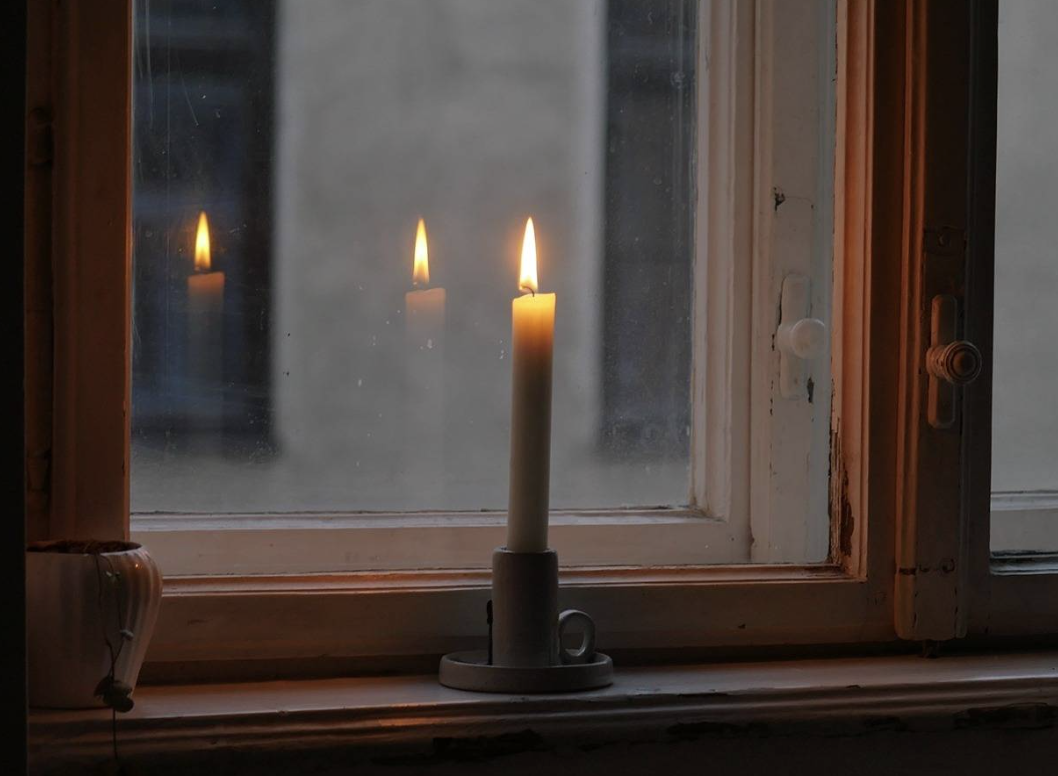
Candles in farmhouse windows can shine a long way on dark nights in the Blue Ridge Mountains.

That light was especially symbolic at Christmas, when settlers in frontier Appalachia -- many of them Scot-Irish -- faced hard journeys on rough roads and trails through terrain crisscrossed with mountain ridges and valleys cut by rivers and creeks.

"There was a real sense of community building that occurred during the Christmas celebration across Appalachia," said historian Ted Olson of the Appalachian Studies department at East Tennessee State University in Johnson City. "Before automobiles, travel would be on foot or horseback or in wagons. It was difficult to travel through winter conditions, with snow and ice and whatnot to visit kith and kin. …

"The candles would invite people in, suggesting that the flame of spiritual renewal is alive in this house. They said, 'Please join us! … You are welcome. We are all fellow Christians celebrating these sacred days together.'"

On the High Plains and in many frontier regions, farmers often lived great distances from one another. The distances were shorter in the "Southern Highlands" of Virginia, Kentucky, Tennessee and North Carolina, but the terrain was treacherous. It might take two or three days to visit extended family or a nearby town with stores, a doctor and other necessities.

Many frontier churches welcomed occasional visits by circuit-riding preachers, and an Irish Catholic family would almost certainly be living far from a priest. Travelers on mountain roads, especially in winter storms, needed safe shelter. During the 12 days the Appalachian people called "Old Christmas," having relatives, neighbors and travelers at the door singing carols captured the essence of the season, noted Olson, author of the book "Blue Ridge Folklife," and a poet, musician and photographer.

Visitors could shout "Christmas gift," since the hosts would be prepared to offer them small gifts to show they were welcome, perhaps an orange, some candy, a decorated pinecone or something else gathered from nature.

Here we go again: Believers face complicated choices in #2020 COVID-tide

Here we go again: Believers face complicated choices in #2020 COVID-tide

Rather than preparing for a joyous Christmastide, believers are making tough decisions about how to celebrate during a season some call COVID-tide.

What about that beloved Christmas cantata or children's pageant? Government regulations about singing vary nationwide.

All those parties and dinners on the December calendar? Church officials may shut them down or, perhaps, look the other way.

The most emotional question: What about Christmas Eve, with glowing sanctuaries full of families gathered from near and afar dressed in festive holiday attire? In most churches some members will be allowed inside, while others stay home -- as during 2020's Holy Week and Easter -- holding candles while facing computer screens.

No one knows what will happen, especially in Protestant flocks where holiday traditions are more flexible and evolve from year to year.

Nevertheless, about 50% of American adults who typically go to church at Christmas hope to do so, according to a study by LifeWay Research in Nashville. In fact, another 15% of participants in the online survey said they were more likely to attend a service this year. However, 35% of typical churchgoers said they're more likely to stay home.

"About 50% of America are saying, 'We're going to do what we're going to do,' " said Tim McConnell, LifeWay's executive director. Since this survey was done before the recent coronavirus spike, "that makes things even more unpredictable" than they were already.

The survey results seem deceptively ordinary, but tensions emerge in key details. The survey focused on believers, and the unchurched, but included an oversample of self-identified evangelical Protestants.

"It's easy to look at these numbers and see that half the people say they will be having Christmas as usual. Then there's another group of people who say they plan to do even more," he said. "Then you look at the bigger picture and there's that other third that's missing. That's probably the large group of Americans who are older and at higher risk. …