

Year after year, faith-based colleges produce waves of upbeat brochures, social-media appeals and videos for parents and their children.
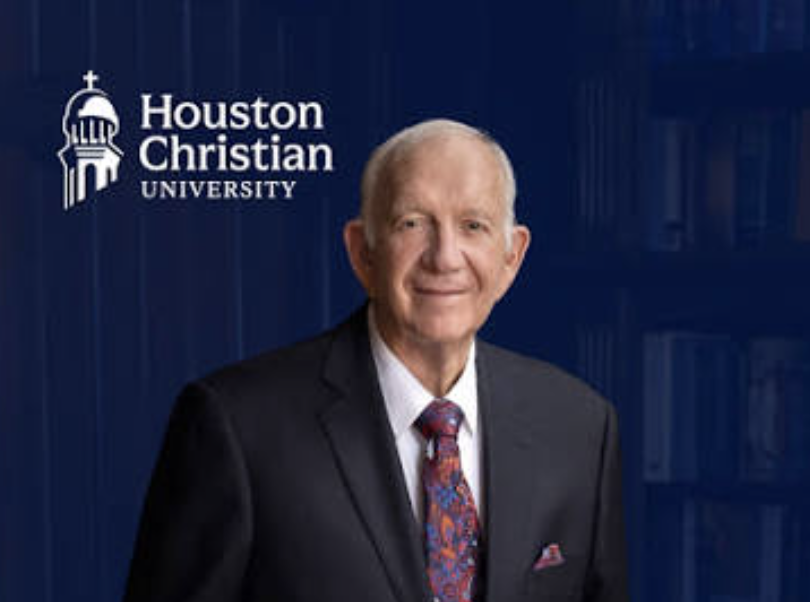
The presidents of these institutions should study these materials closely, said Houston Christian University President Robert B. Sloan, Jr., at the January 2026 conference of the International Alliance for Christian Education.
"All of the brochures in the world, declaring in glossy print the Christian claims of an institution, cannot overcome the failures of personnel to embrace, expound and affirm the Christian identity of the institution," said Sloan, who led Baylor University, his alma mater (and mine), before his 2006 move to Houston. "If the recruiting materials and fundraising newsletters do not match what really goes on in the classroom or in student life, you may expect not only disappointment but cynicism and, eventually, conflict."
Thus, presidents must have courage when hiring faculty, he stressed.
"When you hire someone," said Sloan, "you should never accept their mere consent, no matter how good their credentials are academically, to 'appreciate' or 'be sensitive to' your culture and character. I used to know of a situation where an interviewer would refer to the 'expectations of our constituents' and then ask, 'Are you all right with that?'"
Close is not good enough, stressed Sloan. It's crucial to learn, "Does the candidate want to be at an institution like yours? … Or do they simply want a job?"
Sloan's address -- 11 theses for Christian higher education -- was timely, after years of headlines about faith-based schools closing their doors as experts warned about a looming "enrollment cliff" due to falling birth rates. It was also symbolic because Sloan died on July 4, after suffering a stroke at age 77.
That plenary address "was the best presentation I have ever heard him give. It will serve as a guide for IACE and for all Christian higher education for years to come," said Southwestern Baptist Theological Seminary President David Dockery, writing for Baptist Press.