
Sam Rainer

Among Southern Baptists, as well: More adults are converting, and getting baptized

Among Southern Baptists, as well: More adults are converting, and getting baptized

Back in the Southern Baptist Convention's boom years, from the 1960s to 2010, the experts charting baptism statistics divided "children" into three groups -- starting with those under age 6.

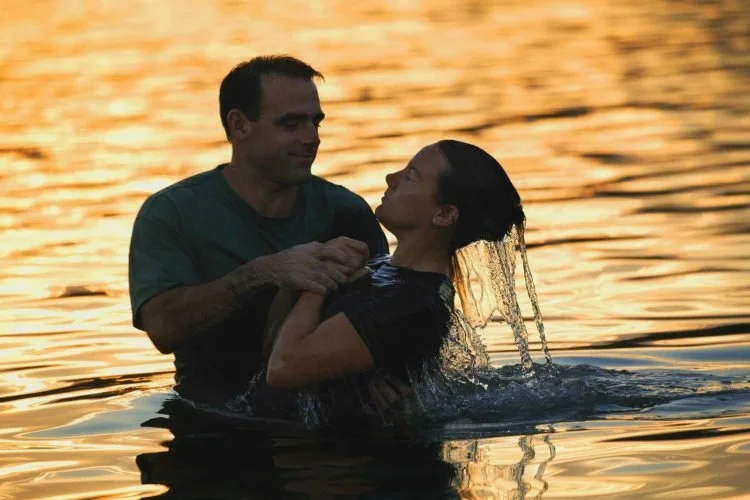
Behind the scenes, there were discussions about when children reached the "age of accountability" and could make mature professions of faith in Jesus Christ, leading to "believer's baptism" by full immersion in water. As with many other doctrinal issues, this was settled by local-church leaders. The same was true when adults asked to be rebaptized, for various reasons.

"At the end of the day, when someone says they've decided to give their life to Christ, the local church is going to let them symbolize that by being baptized," noted Scott McConnell, executive director of Lifeway Research. "That's what Baptists do. That's who we are."

Obviously, Baptists pay close attention to baptism statistics, along with trends with church attendance and membership. In a new report, Lifeway dug into Southern Baptist Convention Annual Church Profile numbers for 2025 and reported that baptisms rose for the fifth consecutive year.

Baptist leaders quickly noted another current trend -- adults 30 and older represented 33% of all baptisms. That was higher than the baptism of those 12-17 (25%), children before age 12 (22%) and young adults between 18-29 (20%). In the past, it was common for the baptism of minors to be two-thirds of the total, noted McConnell, reached by telephone.

The "seismic development" in these numbers is the consistently rising number of conversions among Americans over age 18, noted the Rev. R. Albert Mohler, Jr., president of Southern Baptist Theological Seminary in Louisville, Kentucky.

Pandemic caused today's church woes? Troubling questions were there before that

Pandemic caused today's church woes? Troubling questions were there before that

For the experts who examine trends in pews, the post-pandemic tea leaves have been hard to read -- with a few people going to church more often, others staying away and some still watching services online.

But it's important for pastors to note another sobering fact, according to one of America's most experienced observers of Protestant life. Here it is: The typical church has to keep adding members simply to keep membership steady. And it's becoming increasingly important to maintain a growing core of believers who are truly committed to faith and ministry.

"We used to have people we called 'social' Christians, even though that's an oxymoron," said Thom Rainer, founder of the Church Answers website and former dean of the Billy Graham School of Missions and Evangelism at Southern Baptist Seminary in Louisville, Kentucky.

"Today, these people feel that they no longer need that 'Christian' label to be accepted in business and community life," he said, reached by telephone. "COVID sped things up -- made trends more obvious. But the pandemic was the accelerator, not the cause of what's happening."

Surveys since 2020 show that a "steady share of Americans -- about 40% -- say they have participated in religious services in the prior month one way or the other," according to a Pew Research Center report. But other details are blurry, since the "share of U.S. adults who … attend religious services once a month or more has dropped slightly, from 33% in 2019 to 30% in 2022."

Meanwhile, Pew reported that 7% claim they are attending services in person more often, post-COVID, while "15% say they are participating in services VIRTUALLY more often."

It's important to factor new realities into patterns seen for decades, noted Rainer. For example, in a recent online essay he argued that, if a typical Protestant church has an average worship attendance of 100, it needs to add about 32 attendees a year just to stay even.

Here's the math. The odds say at least one person will die -- a factor that rises for churches with aging flocks. Then, while mobility rates have slightly declined, it's likely that nine members will move away. Also, Rainer said years of statistics show that "your church will lose seven church members to another local church for every 100 in attendance."

The No. 1 factor in annual decline?