Las Vegas

Looking at today's Las Vegas through Southern Baptist missionary eyes

Looking at today's Las Vegas through Southern Baptist missionary eyes

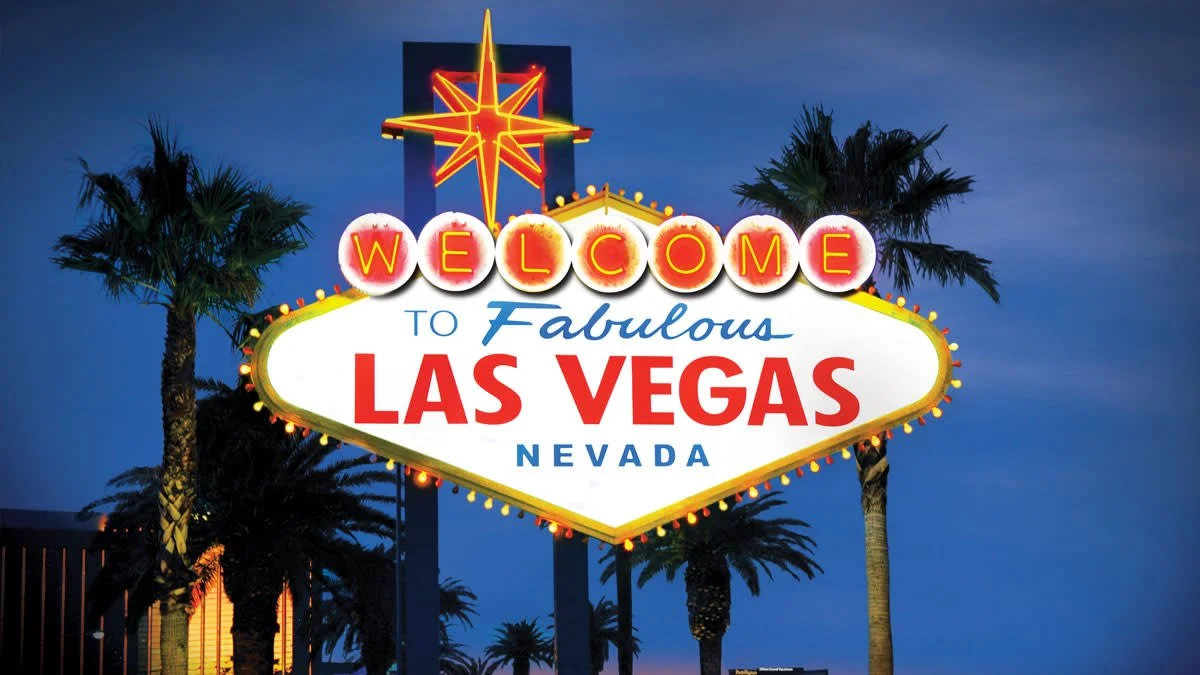
Say the word "Vegas" and most travelers think about the 30-plus casinos and resorts along the 4.2-mile stretch of Las Vegas Boulevard known as "The Strip."

The Southern Baptist "City Missionary" for Las Vegas thinks about a different set of numbers -- the 30 churches the denomination's Send Network has planted in this desert valley in the past decade. There are nearly 100 SBC churches in greater Las Vegas and 177 in Nevada.

"It's hard to narrow Las Vegas down into some kind of majority culture that fits the stereotypes. … This place is multiethnic, multicultural and we have people who are dealing with all kinds of issues and sins," said the Rev. Heiden Ratner, 37, who leads the WALK Church, a 10-year-old congregation with about 1,100 worshippers.

"Las Vegas is pretty much pre-Christian, and what I mean by that is that there has never been a revival that has swept through this city. When I was growing up here, there wasn't a single Sunday morning that I woke up and thought, 'Maybe I should go to church.' Never.”

Obviously, the Strip has not vanished, and its "Sin City" label remains relevant. The Nevada Gaming Control Board reported $8.82 billion in Gross Gaming Revenue (what operators keep after payouts) for the Strip in 2025. But the world has changed. Researchers struggle to describe online gambling today -- from $100 billion global GGR in 2025 to a Gaming Compliance International estimate of $5.9 trillion in unregulated activity.

For decades, Ratner noted, Las Vegas couldn't land big-league football, baseball, basketball and hockey because of gambling. Now the city has teams in three of the four sports, and the National Basketball Association may be next. The city hosted its first Super Bowl in 2024 and the game returns in 2029.

"That kind of credibility is leading all kinds of people and corporations to take a second look at this city," he said.

At some point, 'Christianese' jargon may warp attempts at real prayer after tragedies

At some point, 'Christianese' jargon may warp attempts at real prayer after tragedies

After the stunning news from First Baptist Church of Sutherland Springs, House Speaker Paul Ryan joined the online chorus of Americans offering support.

"Reports out of Texas are devastating," said Ryan, on Twitter. "The people of Sutherland Springs need our prayers right now."

A star in the Star Trek galaxy, and frequent guest on "The Big Bang Theory," was furious with Ryan.

"The murdered victims were in a church," tweeted Wil Wheaton. "If prayers did anything, they'd still be alive, you worthless sack of [expletive]."

Wheaton later added: "Hey, real and actual people of faith: I hear you. I apologize for insulting you, in my rage at Paul Ryan's refusal to address gun violence."

This was, of course, yet another round of warfare about the Second Amendment, faith, bloodshed, media bias and the political powers that be. The fighting hadn't even ended after the secular vs. sacred Twitter wars following the massacre at the Route 91 Harvest music festival in Las Vegas.

At this point, it's clear that the fighting over "thoughts and prayers" tweets is yet another sign that America is dividing into warring camps in which language and symbolic actions are causing pain and confusion, rather than unity, said Tim Stewart, a professional wordsmith who created the "Dictionary of Christianese" website.

It doesn't help that the vocabulary of many Christians, especially evangelicals, is packed with "insider jargon they use all the time, whether they know it or not. … This language is like a liturgy for them, but they don't understand that other people don't get it," said Stewart, who was raised Catholic, but attends a Southern Baptist church in Austin, Texas.