

Over and over, the Instagram, YouTube and Facebook algorithms tell young men they have digital ways to deal with loneliness, anxiety, depression and failure to find love.
Consider this chatbot promise: "The AI Girlfriend Who Actually Texts You Back. Flirty, jealous, sweet, a little bit dirty when she wants to be. GirlfriendGPT remembers every conversation, sends you selfies, and is online whenever you need her."
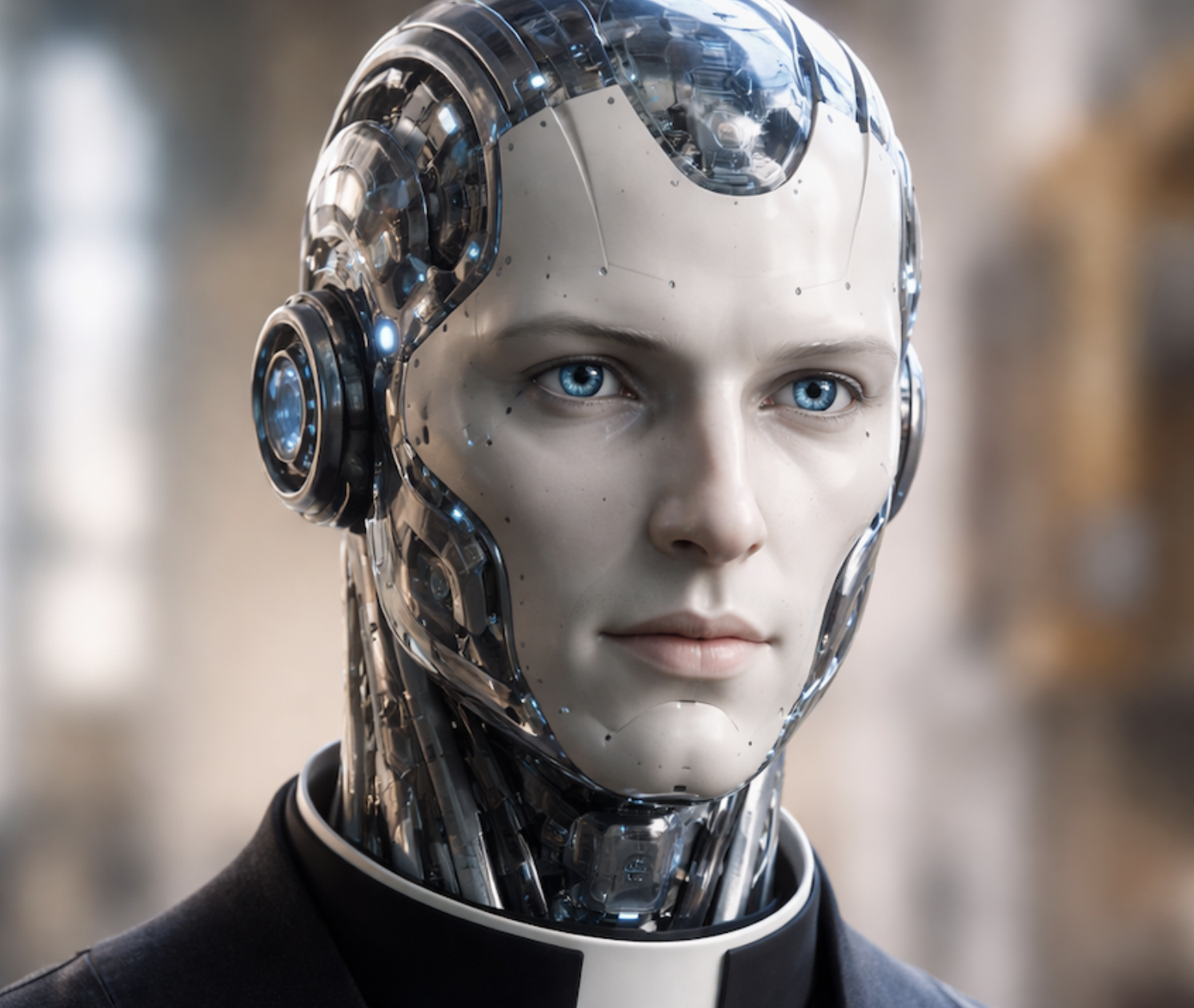
Pope Leo XIV warned, on the 60th World Day of Social Communications, that chatbots are "capable of imitating human feelings and thus simulating a relationship. … The power of simulation is such that AI can even deceive us by fabricating parallel 'realities,' usurping our faces and voices. We are immersed in a world of multidimensionality where it is becoming increasingly difficult to distinguish reality from fiction."
Thus, a 2025 Vantage Point Counseling Services study found that 28% of adults say they have had an intimate AI interaction or relationship. The same study said 53% of Americans mentioned AI friends, colleagues or confidants.
Some romance chatbot statistics "seem high," but not when linked to the "numbers you would find of Americans viewing pornography, because those two things are obviously connected and will become more connected in the future," said Collin Hansen, editor of The Gospel Coalition website.
While AI "girlfriends" make news, it's important to see trends relevant to religious groups and other communities, he said, reached by telephone. The key is that these platforms can offer realistic voices and faces. "It did not have to be that way. It did not have to be designed to relate to you as if it's a person. That's a choice the designers made."
In a recent meeting, Hansen asked church leaders to list the most popular uses of artificial intelligence. They were shocked to learn that, according to the Harvard Business Review, the "therapy-companionship" category was No. 1 in 2025 and again in 2026.
"Maybe OpenAI isn't valued at nearly $1 trillion just because it's making your work more efficient. Maybe someone knew that were AI going to take off, it would need to take on a human face," wrote Hansen, in his essay, "Why Computers Pretend to Be Humans."